


The name of the Repotracker website comes from a Finnish belief that the northern lights are created when a fire fox, Repo, hits the snow with its tail or fur, causing lights to appear in the sky.
Who is behind this project?
RepoTracker.fi is a solo project, designed and maintained by a single Northern Lights enthusiast. From coding the maps to tracking solar data, everything you see here is the result of one person's passion for the Aurora Borealis.
Because this is a one-person project, your feedback and support mean the world to me. Every "coffee" donated helps cover the server costs and API fees required to keep the real-time data running for everyone!
The name of the Repotracker website comes from a Finnish belief that the northern lights are created when a fire fox, Repo, hits the snow with its tail or fur, causing lights to appear in the sky.
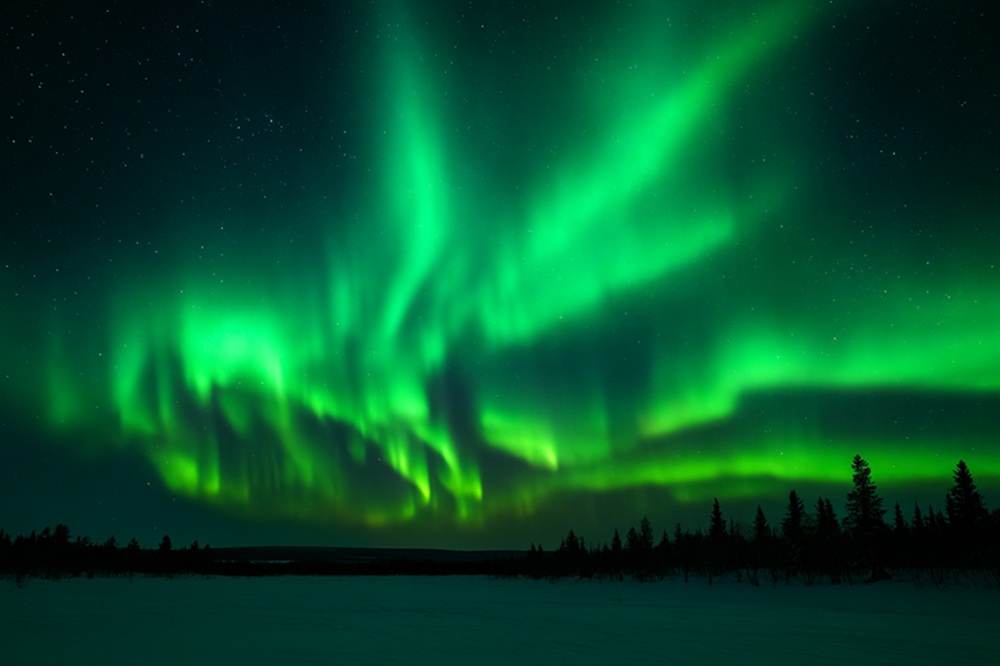
The Northern Lights are best seen on dark, clear nights in autumn and spring. The best time is usually between 9 p.m. and 2 a.m. In northern Finland, a Kp index of 3–4 is sufficient, while in the south, a Kp index of 5–6 or higher is required.
The Kp index shown on the map indicates geomagnetic activity. The higher the value, the more likely it is that the Northern Lights will be visible. For example:
Clouds prevent the northern lights from being seen. Check the cloud cover map before you leave – a clear sky is essential.
Yes. Light pollution in cities reduces visibility. Move away from street lights and choose an open place.
It is also possible to see the Northern Lights in urban areas such as Rovaniemi. Just move to an area with slightly less light pollution and you are almost certain to see the Northern Lights if the forecast is favorable.
Tip: Sometimes it's easier to see the Northern Lights with your phone camera than with your own eyes.
Yes, but less frequently. A high Kp index (≥ 5–6) and clear skies are required.
Use real-time maps like RepoTracker.fi for forecasts. You can also follow information from NOAA and the Finnish Meteorological Institute.
Solar wind is a stream of particles from the Sun that brings energy to the Earth's magnetic field. The IMF Bz value indicates the direction of the magnetic field – a negative Bz increases the likelihood of auroras.
Dress warmly – one thick coat is not the best option; it is better to wear several thin layers under your coat. Layering keeps you warmer and gives you flexibility. Finally, add a proper winter coat.
Wear warm shoes and gloves, and bring extra clothes if you plan to be outside for a long time.
If you are moving with a rental car, stay on plowed public roads. Do not drive on poorly maintained or unplowed forest roads, so you don't get stuck in the snow. It can take a long time for help to arrive in winter
If you go looking for the Northern Lights yourself, remember to respect private yards, military areas, or just places where you feel unsure whether it is legal to enter.
Tip: Be careful where you stop your car. Preferably at bus stops. Avoid stopping on the road to prevent dangerous situations.
Here are some other instructions related to Lapland and Rovaniemi that are worth reviewing: safety of travelers in Lapland (link opens pdf-file)